The Allure of Risk and Reward
The psychological fabric of casino gambling is intricately woven with the notions of risk and reward. Players are often drawn to the thrill of uncertainty, where every spin of the wheel or flip of a card holds the potential for sudden gain. This element of surprise can trigger the brain’s reward system, releasing dopamine and creating a pleasurable sensation that reinforces the behavior of gambling. The more unpredictable the outcome, the more engaging the experience becomes, enticing individuals to keep playing in hopes of achieving that euphoric high. Whether through traditional card games or online pokies, the excitement found in casinos continues to captivate many.
Furthermore, the concept of risk isn’t merely about the possibility of winning money; it’s also tied to social factors. Many players enjoy the communal atmosphere of casinos, where shared experiences can amplify the excitement. The social dynamic of cheering for a winning hand or celebrating a jackpot creates an emotional connection among players, enhancing their overall experience and prompting further participation in gambling activities.
The Role of Cognitive Biases
Cognitive biases heavily influence decision-making in gambling scenarios. One common bias is the ‘gambler’s fallacy,’ where individuals believe that past events affect future outcomes. For example, a player might think that if a slot machine hasn’t paid out in a while, it is due for a win. This misconception can perpetuate gambling behavior, as individuals chase losses or feel a false sense of confidence. Such biases not only distort reality but also significantly impact one’s gambling strategies and choices.
Additionally, the ‘illusion of control’ is another cognitive distortion frequently observed in gamblers. Many players believe they can influence the outcome of games of chance through their skills or strategies. This illusion can lead to an increased commitment to gambling, as players invest time and money in the hope that their decisions can sway the odds in their favor—a belief that can be both motivating and misleading.
The Emotional Escape
For many individuals, casino gambling serves as an emotional escape from the stresses of daily life. The vibrant lights, sounds, and fast-paced environment of casinos can provide a temporary refuge from reality, allowing players to immerse themselves in a world of potential excitement. This escape can be especially appealing to those facing personal challenges or seeking a distraction from their routines.
Moreover, the act of gambling itself can evoke a wide range of emotions. From exhilaration during a big win to the tension of a close game, these highs and lows can create a rollercoaster of feelings that keeps players engaged. Such emotional experiences can form a temptation that makes it difficult for individuals to resist returning to the casino, as they seek to relive that adrenaline rush.
Addiction and Compulsion
The addictive nature of gambling is a significant concern in the psychology of casino play. As certain players experience the thrill and rewards associated with gambling, they may develop compulsive behaviors that lead to harmful financial and personal consequences. This addiction can be fueled by a combination of psychological factors, including predispositions to risk-taking and emotional distress.
The cycle of addiction can be difficult to break, as individuals may find themselves in a loop of chasing losses or attempting to win back what they have lost. This pattern can have devastating impacts on their lives, affecting not only their finances but also their relationships and overall mental health. Understanding the psychological drivers behind gambling addiction is essential for developing effective interventions and support systems for those affected.
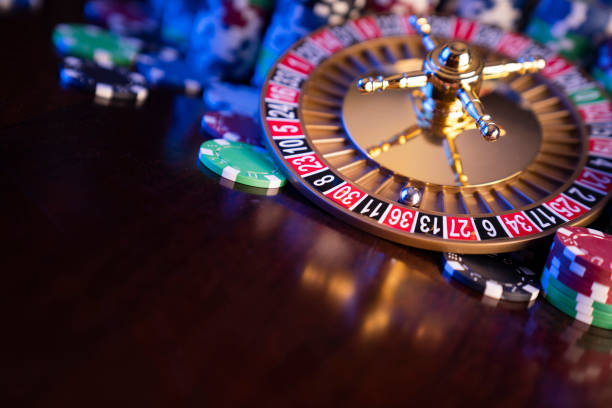
Discover More About Gambling Psychology
For those interested in delving deeper into the complexities of gambling psychology, our website offers a wealth of resources. We provide insights into various aspects of casino gaming, exploring how psychological principles affect player behavior and decision-making processes. Whether you are a casual player seeking to understand your habits or someone looking to support a friend or loved one, we aim to shed light on the intricate relationship between psychology and gambling.
Visit our website for articles, research findings, and supportive content tailored to empower individuals dealing with gambling issues. By fostering awareness and understanding, we hope to contribute to a healthier engagement with casino gaming and promote responsible gambling practices among all players.